

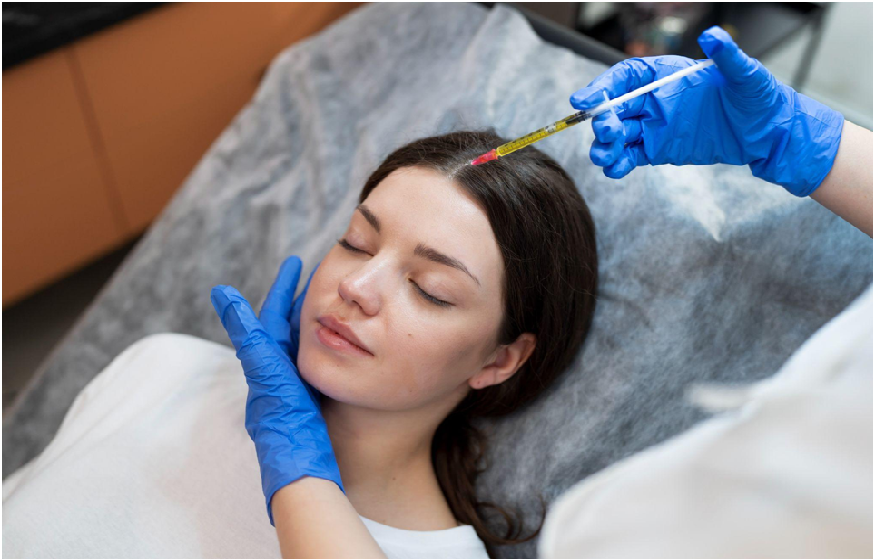
Beauty trends come and go fast. What’s popular one year can feel outdated the next. But every so often, a few treatments rise above the noise and stay there not because of hype, but because they actually work.In 2026, clinics across the U.S. are seeing a clear pattern. Appointment books are filling up with patients asking for treatments that deliver visible results without dramatic downtime or extreme procedures. People want skin that looks healthier, smoother, and more confident. They also want routines that simplify their lives instead of adding more maintenance.That’s why two treatments keep coming up in conversations with dermatologists, med-spa owners, and patients alike: advanced hair-reduction technology and collagen-stimulating skin therapies. They’re not new, but their demand has reached an all-time high and the reasons behind it say a lot about how beauty priorities have evolved.
Why Beauty in 2026 Looks Different
Today’s beauty consumer is more educated than ever. Before booking anything, people read studies, scan reviews, and compare providers. Social media may spark interest, but science and real results are what seal the deal.According to the American Society for Dermatologic Surgery (ASDS), non-invasive cosmetic treatments have continued to grow year over year, even during economic uncertainty. The reason is simple: these procedures feel practical. They solve everyday problems such as unwanted hair, uneven skin texture, and early aging without forcing people to pause their lives. Among all available options, laser-based hair reduction stands out as the most consistently requested service across age groups. Patients see it as a long-term solution rather than a temporary fix, especially compared to shaving or waxing.
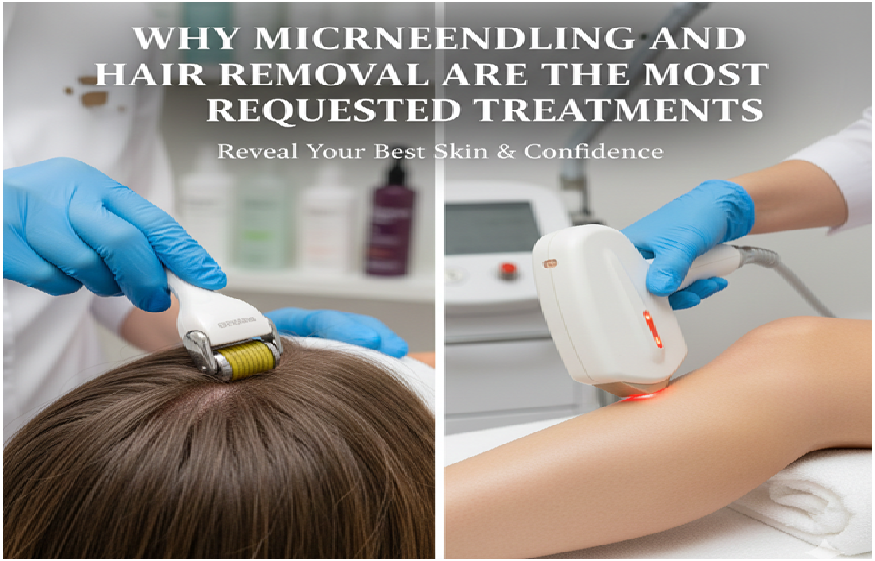
Read More: Why Microneedling and Hair Removal Are the Most Requested Treatments
The Treatment People Never Regret Booking
Talk to almost anyone who’s completed a full course of laser hair removal and you’ll hear a similar story. They wish they had done it sooner.The appeal is straightforward. This technology targets pigment in the hair follicle using controlled light energy, gradually reducing regrowth over multiple sessions. Over time, hair becomes finer, lighter, and far less noticeable.Clinical backing plays a big role in its popularity. A review published in Lasers in Surgery and Medicine confirmed that modern diode and alexandrite lasers achieve significant long-term hair reduction with a strong safety profile when administered correctly. Advances in cooling systems and adjustable wavelengths have also made the treatment safer and more comfortable than earlier versions.In 2026, patients aren’t just booking laser treatments for aesthetics. They’re booking them for convenience, skin comfort, and confidence. Fewer ingrown hairs, less irritation, and no daily maintenance add up to a noticeable lifestyle upgrade.
A Shift Toward Smarter Grooming
One reason demand keeps rising is that people are tired of repetitive routines. Shaving every few days, waxing appointments every month, dealing with razor bumps these things add up over years.Laser hair reduction offers a way out of that cycle. While it does require a series of sessions, most patients see meaningful results after just a few treatments. According to the American Academy of Dermatology (AAD), properly performed laser treatments can reduce hair growth by 70–90% over time.This isn’t about perfection. It’s about freedom. Less time spent managing unwanted hair means more time spent doing literally anything else.
Read More:
Skin Health Is the New Anti-Aging
While hair removal dominates the grooming side of aesthetics, skin rejuvenation has become the emotional core of modern beauty care. People aren’t chasing frozen faces or drastic changes anymore. They want skin that looks rested, clear, and healthy.That mindset has driven massive interest in collagen-induction treatments, especially professional microneedling services offered in major cities. Patients researching micro-needling treatments available in Chicago-area clinics often describe the same goals: smoother texture, fewer scars, and a more even tone without aggressive resurfacing.Microneedling works by creating controlled micro-injuries in the skin, prompting the body to produce new collagen and elastin. These proteins are essential for firmness and elasticity, yet their production naturally declines with age.A 2018 study in Dermatologic Surgery found that microneedling significantly improved acne scars and skin texture with minimal risk when performed by trained professionals. That balance of visible improvement with low downtime is exactly what modern patients are looking for.
Why Microneedling Keeps Gaining Trust
Part of microneedling’s appeal is how adaptable it is. It’s used to treat acne scarring, fine lines, hyperpigmentation, and even stretch marks. Newer variations, including radiofrequency-assisted microneedling, allow providers to target deeper layers of the skin with greater precision.Dermatologists appreciate it because it works with the body instead of against it. Patients appreciate it because recovery is manageable. Redness usually fades within a couple of days, and makeup can often be worn shortly after.A review in The Journal of Cutaneous and Aesthetic Surgery emphasized that microneedling has a low risk of post-inflammatory hyperpigmentation compared to more aggressive treatments, an important factor for patients with diverse skin tones.
Combining Treatments for Real-Life Results
One trend clinics are seeing more of in 2026 is combination care. Patients aren’t booking just one service anymore. They’re creating long-term plans.It’s common for someone pursuing smoother skin through collagen-stimulating treatments to also invest in permanent hair reduction. For many patients exploring professional microneedling services in Chicago, pairing skin renewal with laser-based grooming solutions feels like a complete approach to self-care.This isn’t vanity, it’s maintenance. Much like dental cleanings or fitness routines, these treatments are becoming normalized as part of overall wellness.
Safety, Regulation, and Professional Standards
Another reason these treatments dominate bookings is trust. Both microneedling devices and laser systems used today are regulated and cleared by the U.S. Food and Drug Administration (FDA) for cosmetic use.Peer-reviewed journals like The British Journal of Dermatology consistently emphasize the importance of practitioner training, proper patient assessment, and evidence-based protocols. As a result, reputable clinics focus heavily on consultations, skin typing, and realistic expectations.Patients notice professionalism and they reward it with loyalty and referrals.
Read More: What to Expect in Your Immigration Health Screening
Why These Two Treatments Are Leading 2026
Trends fade when results don’t last. Microneedling and laser hair reduction have stayed relevant because they deliver consistent, measurable outcomes backed by science.
They also align perfectly with modern values:
- Natural-looking improvements
- Minimal downtime
- Long-term benefits
- Evidence-based care
According to a 2025 global aesthetics report by Statista, consumers increasingly prioritize treatments that offer functional benefits rather than dramatic cosmetic changes. That shift explains why these procedures continue to outperform newer, flashier alternatives.In a crowded beauty landscape, reliability wins. And in 2026, these two treatments have earned their place at the top.
Frequently Asked Questions
1. How long do laser hair reduction results last?
Results are long-term, though occasional maintenance sessions may be needed due to hormonal changes or new hair growth.
2. Is microneedling painful?
Most treatments involve minimal discomfort, especially when topical numbing is used beforehand.
3. How many sessions are typically required for microneedling?
Most patients see optimal results after 3–6 sessions spaced several weeks apart.
4. Are these treatments suitable for sensitive skin?
With proper assessment and professional care, both treatments can be customized for sensitive skin types.
5. Can these procedures be done year-round?
Yes, though sun protection and proper aftercare are essential, especially for laser-based treatments.



Leave a Reply